A radical model of healing through humanity and art by Alexandra Plettenberg. Living Museum Austria, Graz
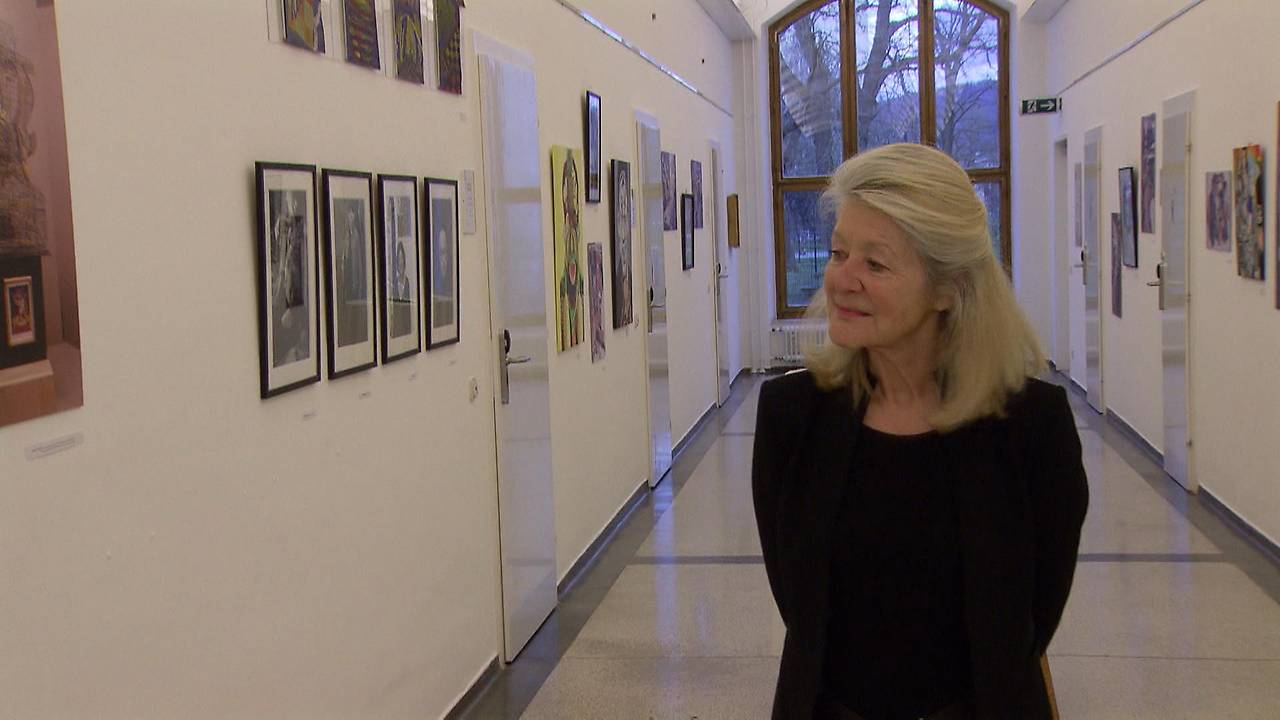
Interview by Isabelle Wachsmuth and Juliane Pfeiffer
In a world where mental illness is often met with fear, stigma, and institutionalization, Alexandra Plettenberg offers a transformative alternative: the Living Museum. She spent a long time at the Living Museum in New York, conducted thousands of hours of interviews with artists, and convinced by the impact on the participants decided to open a Living Museum in her home country.This innovative model reimagines psychiatric care as a space of freedom, creativity, and community, where individuals are no longer defined by their diagnoses but embraced as human beings and artists.
A philosophy rooted in acceptance and equality
At the heart of the Living Museum is a simple yet radical principle: acceptance. As Plettenberg explains, the role of the director is not one of authority, but of compassion. About 30 patients are welcomed every day not as cases, but as equals—free to express themselves, choose their activities, and form genuine relationships.
🗨️ “They are no longer defined by their illness… They are regular human beings.”
🗨️ "Patients come to us and they are received in total freedom"
🗨️ "Freedom, friendship, respect, and social warmth" are the pillars of the Living Museum.
Art as a path to healing
The museum is not just a therapeutic space—it is a creative sanctuary. Patients, referred to as artists, transform neglected spaces into vibrant environments filled with paintings, sculptures, and installations. This act of creation mirrors their own personal transformation.
🗨️ “The space is so amazing... they have transformed an empty, ugly, dirty place into something beautiful and magical.”
🗨️ "People with mental illness are also human beings."
🗨️ "They talk about their diagnosis very normally... there is no taboo."
🗨️ "We talk about our patients as artists now."
🗨️ "We should exhibit in the space because the space speaks to the work."
Community over clinical context
Unlike traditional psychiatric settings, the Living Museum fosters peer support, friendship, and mutual respect. There are no rigid schedules or hierarchies. Volunteers and patients work side by side, sharing responsibilities and stories.🗨️ "We have no costs. Basically, we have one employee and many volunteers."🗨️ "They (participants) clean the toilets, make tea, wash dishes... because they love having responsibility."🗨️ "It’s a utopian society... people are nice, helpful, and happy to be with each other."
Global impact and cultural adaptability
From New York to Austria, the model has proven effective across cultures. Visitors from around the world—Brazil, Israel, Spain—have come to witness its success and left inspired to replicate it.
🗨️ “It is applicable in all cultures according to my experiences.”
🗨️ "People came from Brazil, Eastern Europe, France, Spain... and went away convinced."
A low-cost, high-impact solution
Despite its profound impact, the Living Museum operates on minimal funding. Donations, recycled materials, and volunteer support sustain its operations. Plettenberg argues that this model could significantly reduce public health costs by preventing relapses and fostering long-term recovery.
🗨️ “We are a low-budget undertaking… and it works.”
🗨️ "I have become a different human being for sure. I no longer have preconceived ideas. "
🗨️ "Forget about preconceived ideas and fear... be in this world as a human being equal to the other."
A call for humanization
Ultimately, Plettenberg’s message is one of radical empathy. She urges society to abandon fear and prejudice, and to recognize the shared humanity in all people—especially those with mental illness.
🗨️ “The worst illness that we all have is superiority… Be in this world on the same height with others.”
Living Museum: Concept launch for Graz - steiermark.ORF.at - Steiermark Magazin